“Watchin’, till the morning comes creepin’
Green door, what’s that secret you’re keepin’?” – Shakin’ Stevens
The Backyard Series
For the next several weeks, I’ll be delivering posts from “The Backyard Series 2026,” which is exactly like it sounds – a series of posts with images and stories centered around the happenings in and around our backyard. These posts are dedicated to my wife who has spent the past 20+ years of her life dedicated to the beautification of our little slice of the American Dream.
Post 4
“The Green Gate”
(Quite honestly, this should have been the first post of the series, because what better way to begin “The Backyard Series of 2026” than with a post about the new gate doors that actually leads into our backyard? Alas, it will be post number four instead.)
My wife and I both find a commonality in the use of the word “janky.” I don’t know if it’s a term reserved for those of us born and raised in the south – a kind of kinfolk word to the likes of “ya’ll,” or “fixin,'” or “ain’t.” Whatever the case, we use it when something is not done properly or perhaps was finished “half-assed.”
We had a new fence constructed last summer. The crew we hired tore down our old failing fence that was held up in places by extension cords wrapped around loose fence posts and tied to nearby trees. It was a pretty janky solution in itself. The crew, mainly a landscaping crew, but with some technical knowhow, installed a brand new fence, but the installation of the gate doors on either side of our house were janky at best. See how useful “janky” is?
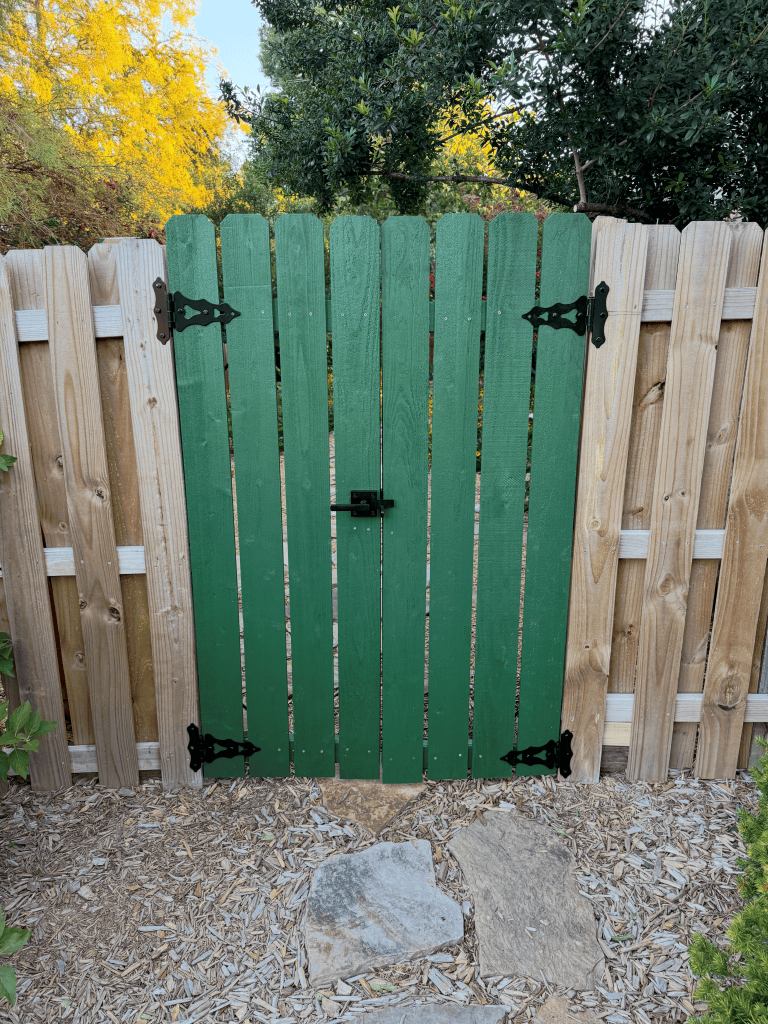
So fast forward a year and our main one-year-old gate door was sagging, dragging, and just plain sucked. The door was too heavy and was pulling the weak hinges out of the post and it didn’t latch properly as a result. So, my wife and I took off the boards and the hinges and the handle. Then, with the help of our daughter and her boyfriend, “The Great Green Gate Project of 2026” commenced! Over the next several days, lumber was purchased, cut and painted. Hinges and latches were assembled. Sweat was poured as temperatures soared into the high 90’s and low triple digits, and after several days, the above picture is the final result.
My wife’s initial vision was a little bit different than what we completed, but if the right opportunity comes along in the future, she would like to have windows on both sides of the latch to create a window into our backyard – maybe even something with rod iron set within the wooden frame. As it currently stands though, I like the finished product and the mystery it presents. What lurks behind thy green doors?
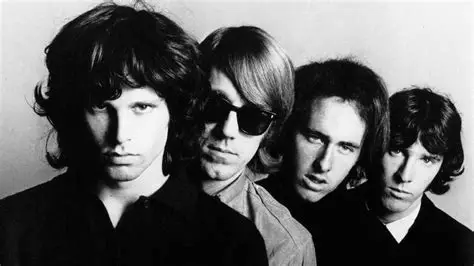
My wife has long held a fascination and appreciation for doors. For me, when I think of doors, my mind wanders to Jim Morrison, Ray Manzarek, Robby Krieger, John Densmore, and the early-to-mid 90’s “Doors’ phase” I went through where I read books about the band and carefully studied the ecentric lyrics of the band that had a magnificent rise to fame and stardom until Morrison’s untimely death in Paris in 1971 at the age of 27.
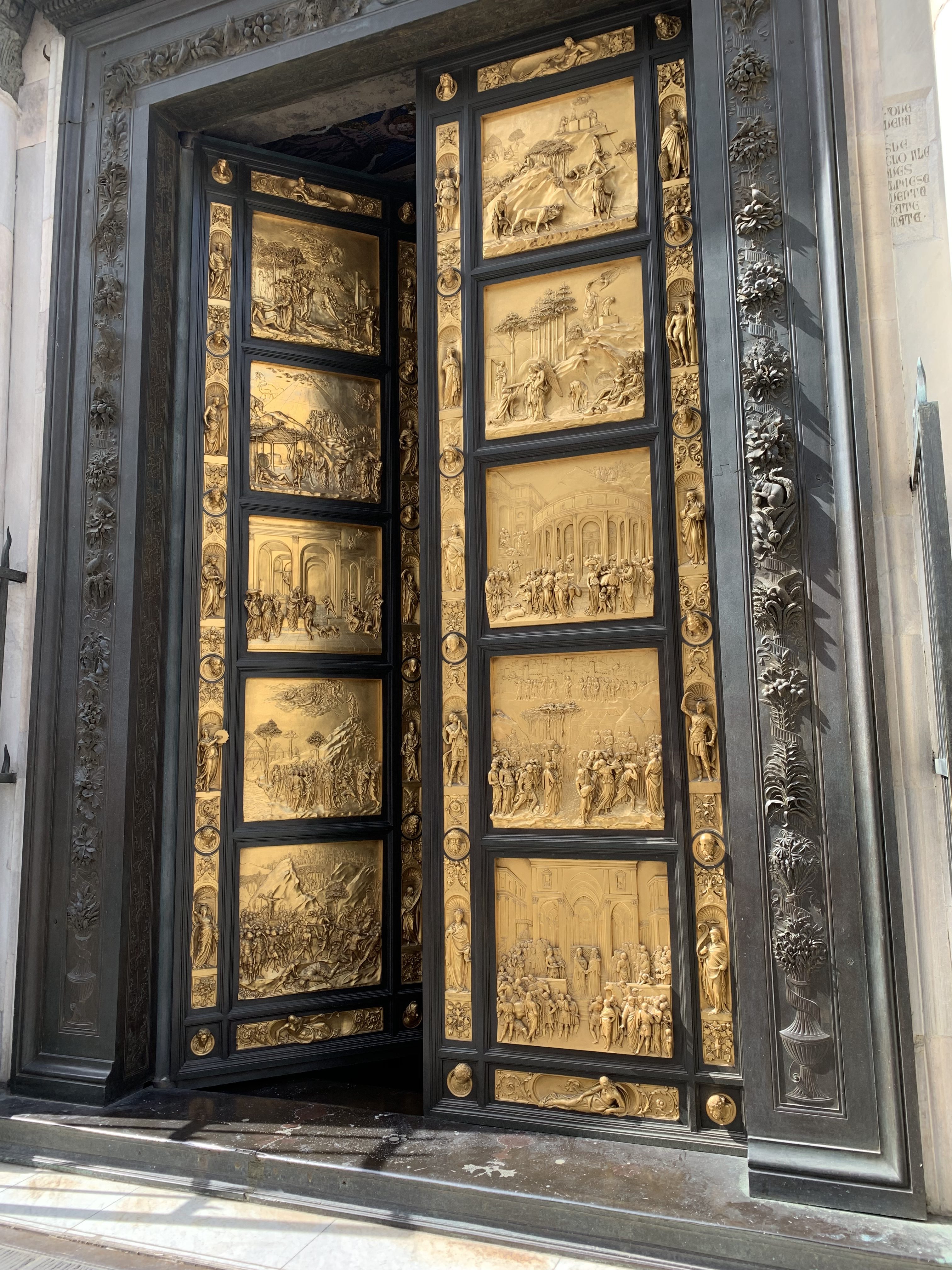
Anyway, when my wife and I visited Italy in 2019 to celebrate our 20th wedding anniversary, we took photos of doors. The most famous doors we took of a photo of were artist Lorenzo Ghiberti’s Porta del Paradiso (or “Gates of Paradise”). These doors have decorated the Baptistery of San Giovanni in Florence since 1452. Located in the Piazza del Duomo, the main square surrounding the cathedral, the doors were constructed from bronze with gold overlay, and feature 10 sculpted panels that reference scenes from the Old Testament.
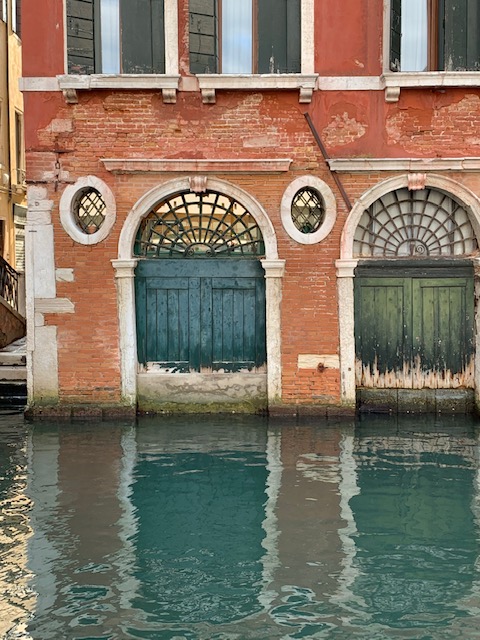
The doors below in particular were a few of our favorites from our time in Venice. As you can see, the water level has deteriorated these door that you used to be able to access from ground level many years ago. On average over the last 30 years, the water level in Venice has risen nearly 5mm per year, so it remains a constant challenge for the citizens of this lovely slice of Italy.
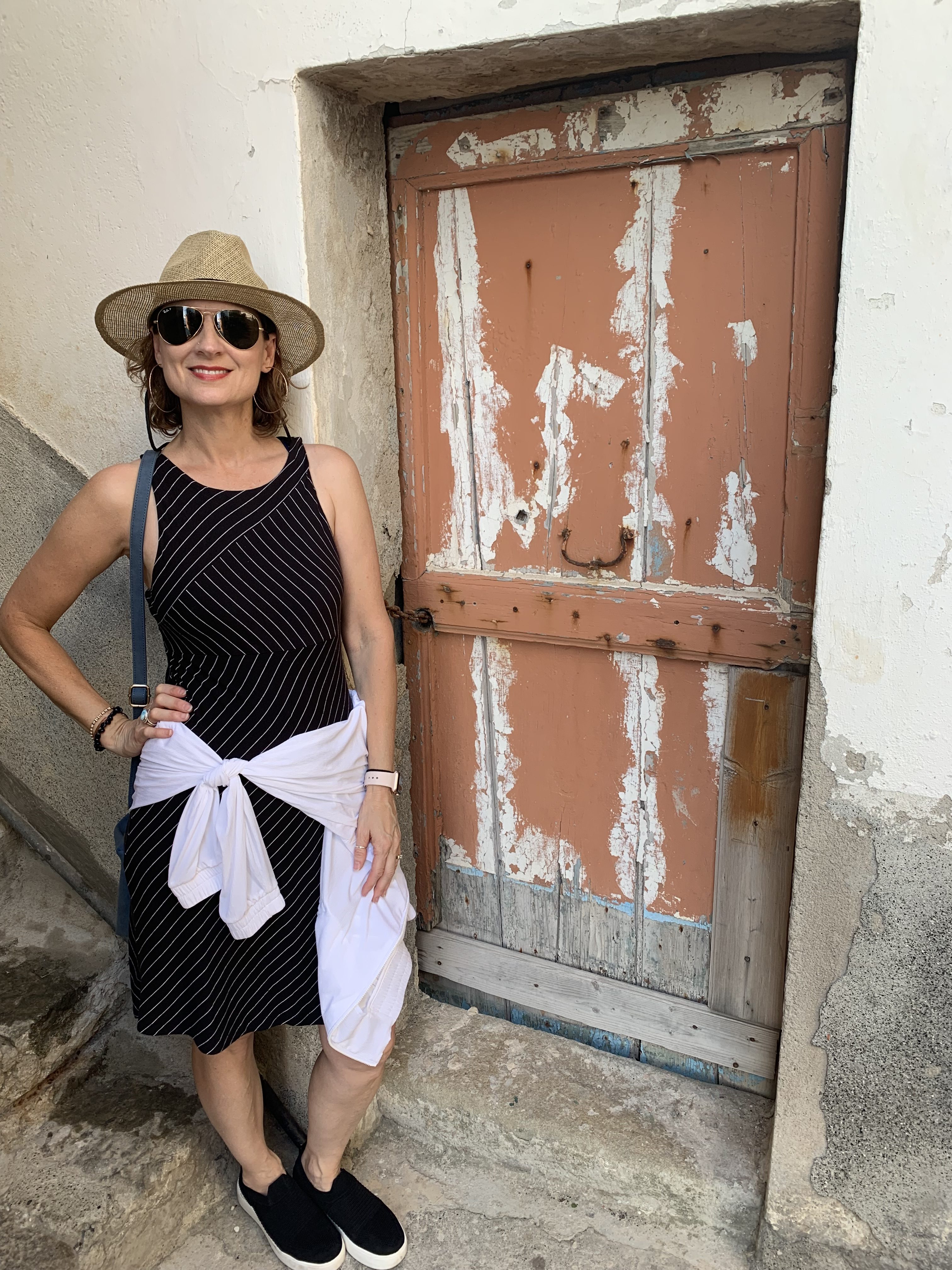
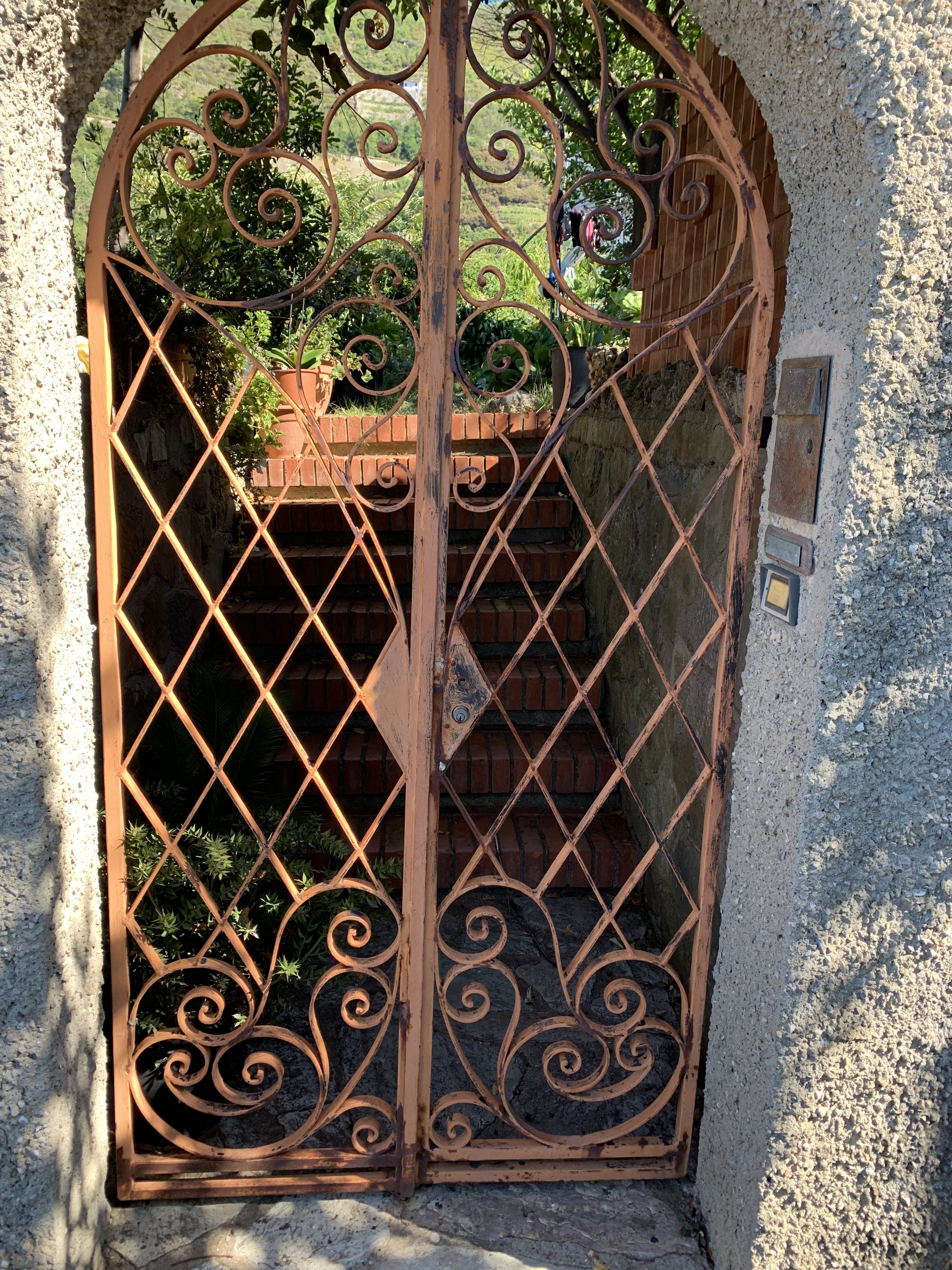
A couple of other doors my wife liked – both located during our visit to Riomaggiore, Italy.
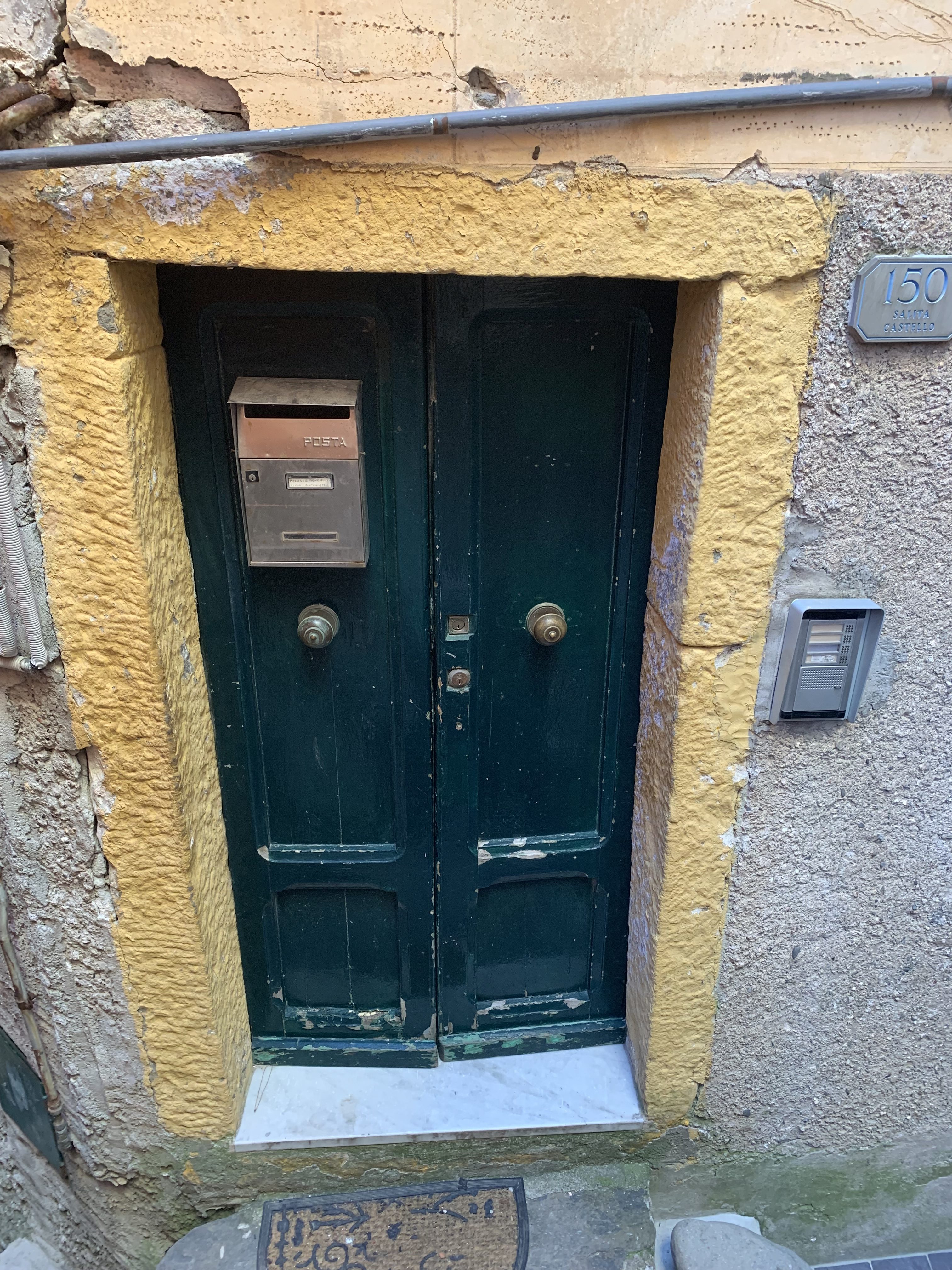
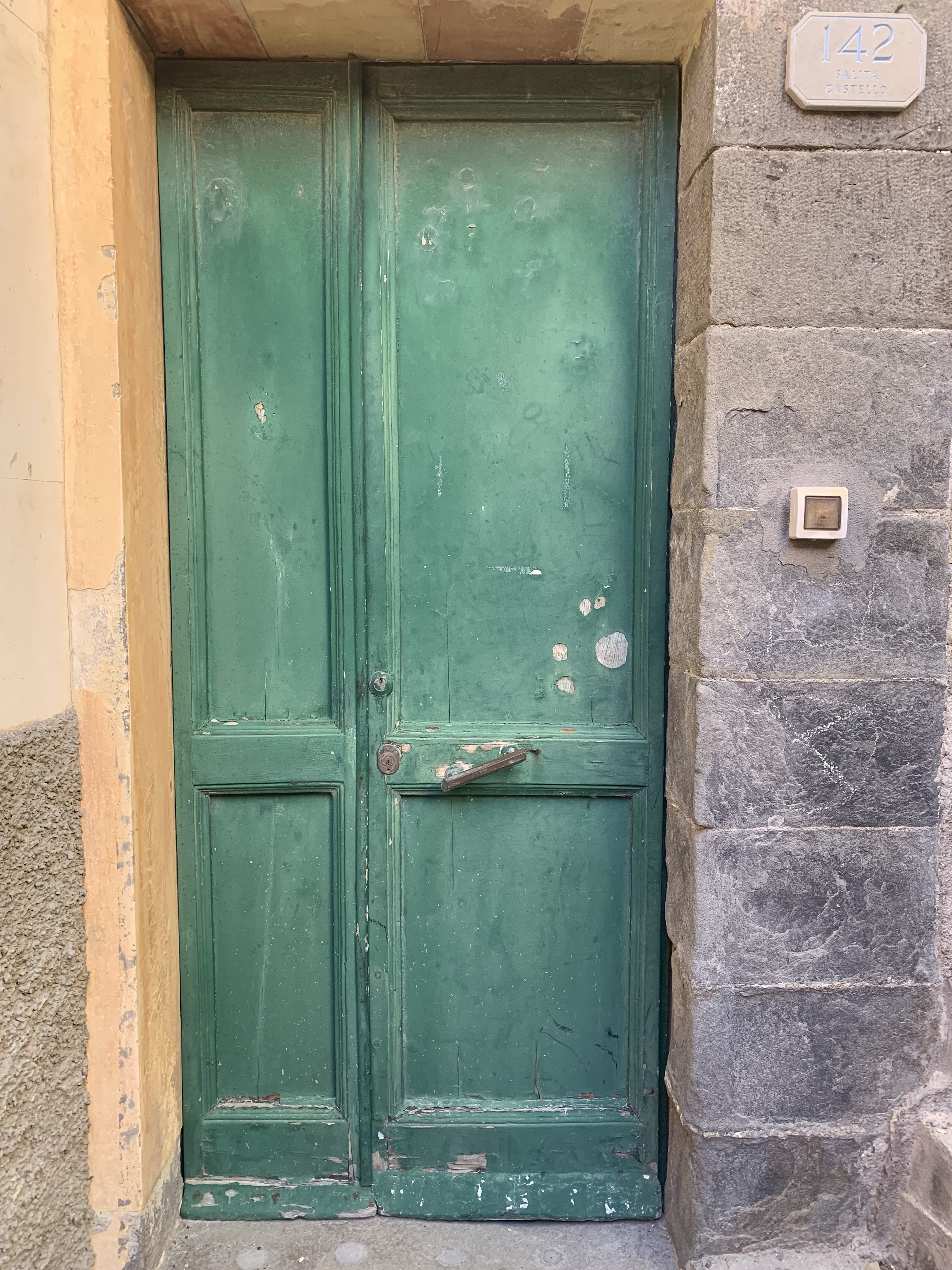
I also didn’t realize how many of the photos were of green doors until I started pulling them up on my phone recently. These are also other doors in Riomaggiore and one from Florence on the far right…
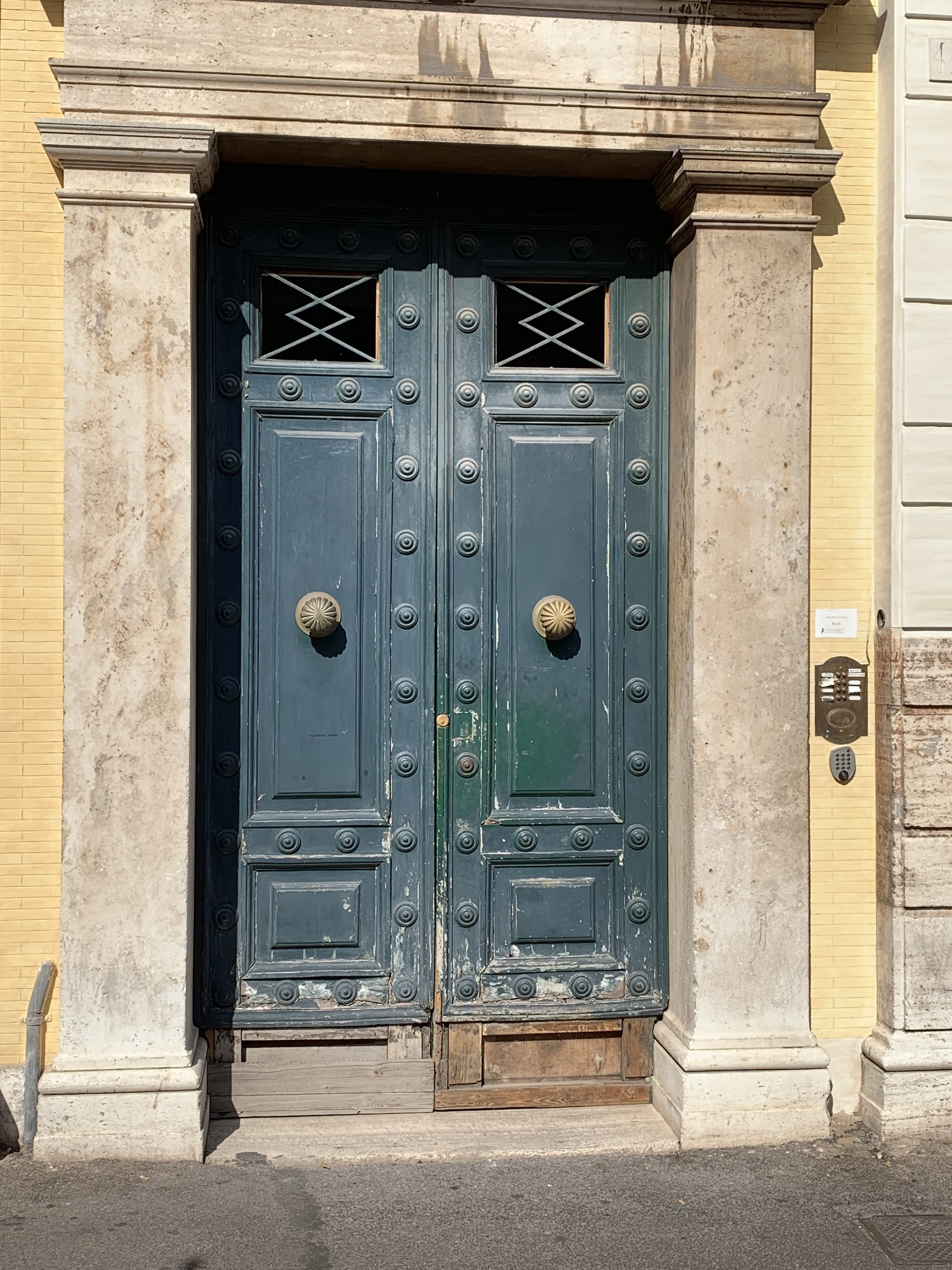
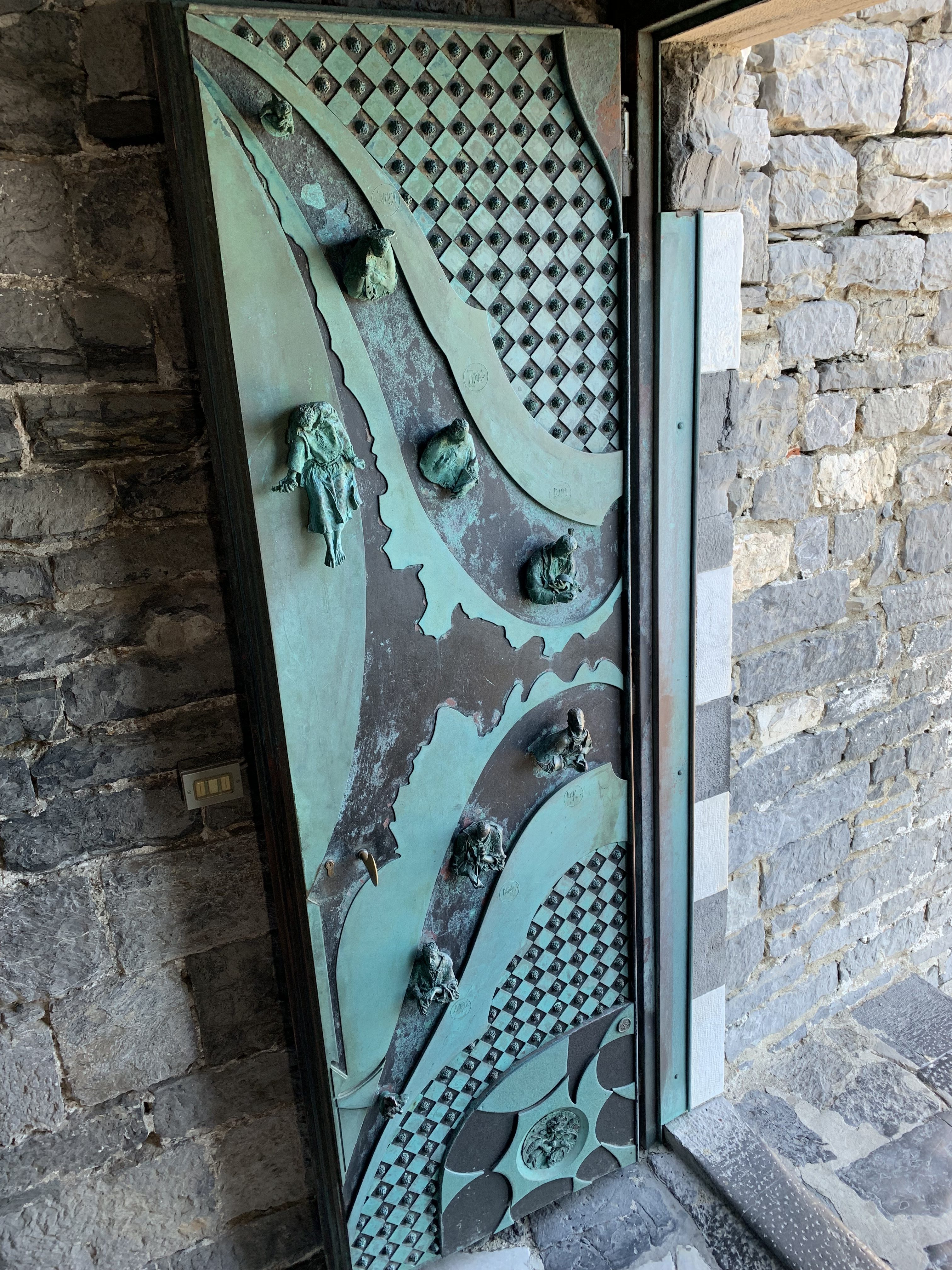
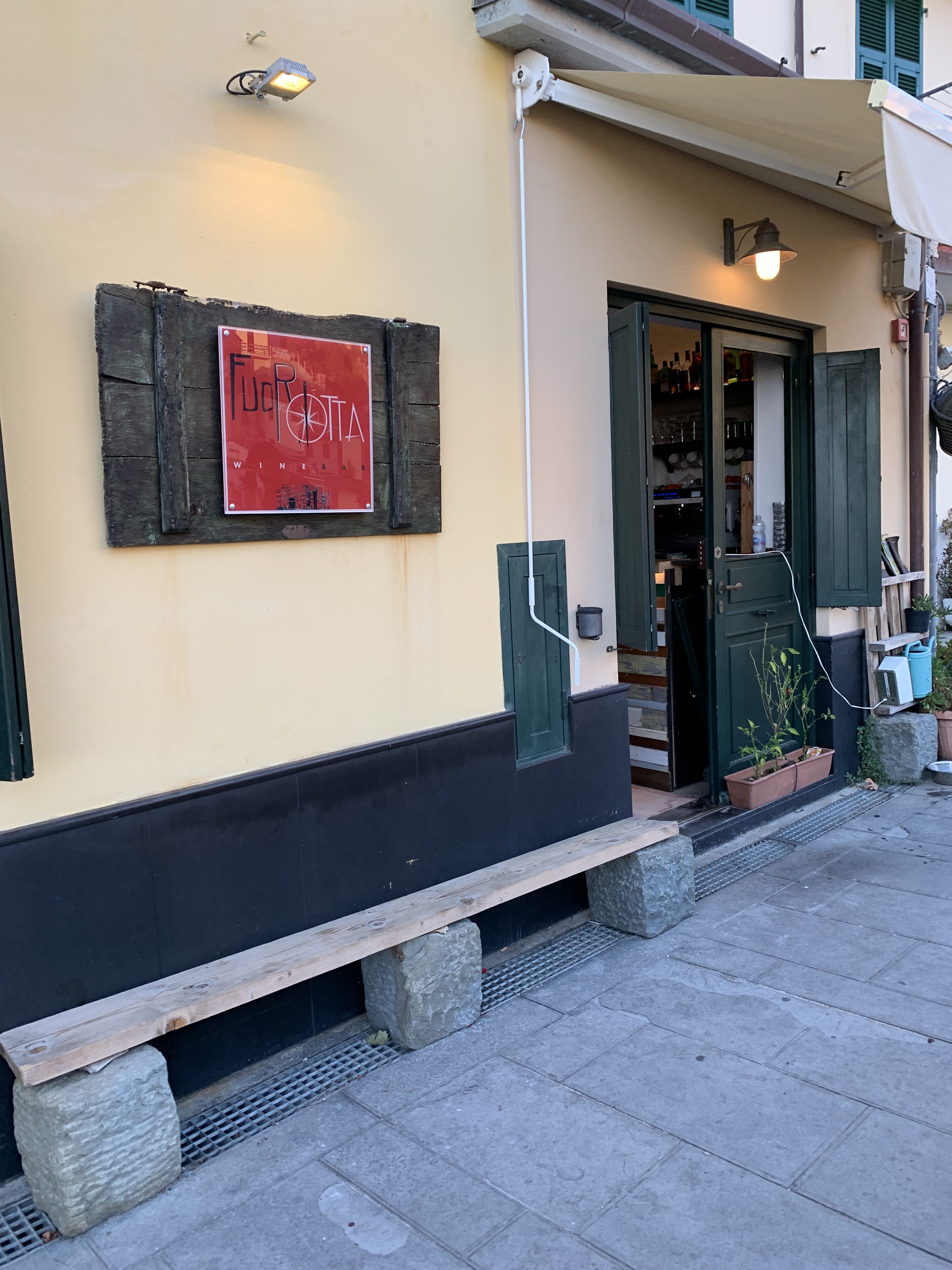
More green doors! A door from the scenic St. Peter’s Church in Porto Venere on the left, and on the right, the green doors to a local restaurant with a fabulous view in Riomaggiore called Fuori Rotta.
One interesting fact about green doors that I discovered recently was that during the prohibition era from 1920 to 1933 when alcohol manufacturing, sales, and transportation was illegal in the United States, a restaurant or tavern would paint their doors green to indicate the presence of a “speakeasy” or a “speak softly shop,” where unlicensed alcohol sales were made.
Is it possible all of these green doors subconsciously rooted and remained within the recesses of my wife’s brain over the last seven years just waiting for the right time to be unleashed upon our unsuspecting, janky, fence gate?
I would say yes. It is very possible.
“AII I want to do is join the happy crowd behind the green door
Wish they’d let me in so I could find out what’s behind the green door.”

For full transparency, I don’t remember this song from 1981, nor do I recall hearing or learning about one “Shakin’ Stevens.” His real name is Michael Barratt, and I was pleasantly surprised to discover he was one of the biggest selling artists from the UK during the 80’s. You’ll get an Elvis vibe if you watch the video below, and Stevens comes about it naturally having landed a gig as Elvis in a London West End musical in the late 70’s.
“Green Door” was a number one hit for Jim Lowe in 1956 and then it became Stevens second UK number 1, topping the charts for four weeks in August of 1981. Here is “Green Door”…
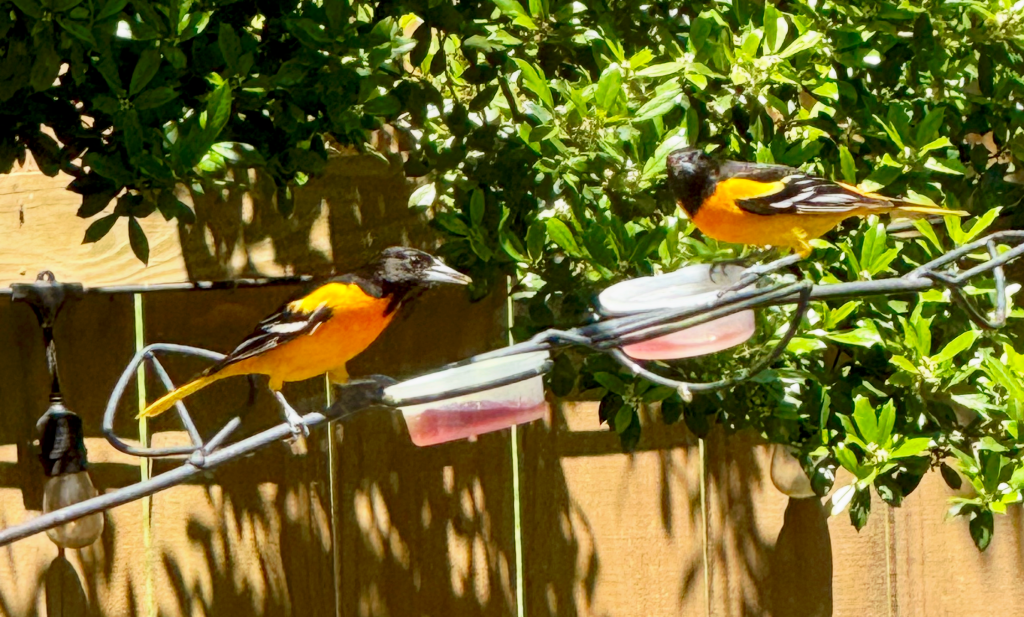
May your next door be a green one and if you find yourself at our green gate door in the future, we’ll let you in, and you too may be treated to a refreshing drink while enjoying the beauty of our little backyard!
Thanks for reading.
sincerely,
the80s